




Here’s the honest truth, straight from someone who lives up north: Portugal in summer is gorgeous, but it’s two different countries depending on where you point your car. I’ll walk you through what the heat, crowds, and prices actually feel like on the ground, and where US travelers should go to beat all three.
Key Takeaways: Summer in Portugal means peak heat and peak crowds, with July and August the busiest and priciest. The south (Algarve, Lisbon) can hit the mid-90s°F, while the green north stays 10-15°F cooler. Book lodging months ahead, plan around the midday heat, and consider the Azores or Minho for a cooler, calmer trip. For most Americans, June or September beats mid-August.
If you’re just starting to map out your trip, our Portugal travel guide for 2026 covers the wider logistics. This post zooms in on summer specifically, warts and all.
What Is Portugal’s Summer Weather Really Like?
Portugal’s summer runs hot and dry, but temperatures split sharply by region. According to IPMA, Portugal’s national weather institute, inland and southern areas routinely see July and August highs in the low-to-mid 90s°F, while the north coast stays milder. Coastal breezes and Atlantic water keep things bearable near the sea.
Here’s how the three summer months differ. June is the sweet spot: long days, warm but not scorching, and the crowds haven’t fully landed yet. July turns up the heat and the tourist volume. August is the peak of everything, hottest temps, most people, highest prices, because the whole of Europe vacations at once.
I live in the north, and our summers feel genuinely different from the postcards. Porto and the Minho sit around the low-to-mid 70s°F most days, with occasional pushes into the 80s. Drive two hours south into the interior and you’ll feel it climb fast.
Sea Temperatures Change Everything
The ocean is colder than Americans expect, especially on the west coast. The Atlantic off Lisbon and the north hovers in the low-to-mid 60s°F even in August, refreshing but bracing. The Algarve’s south-facing coast runs warmer, often into the low 70s°F. IPMA publishes daily sea surface temperatures if you want to check before you pack a wetsuit versus a swimsuit.
How Bad Are the Heat and Wildfires, Honestly?
Heat waves are real and worth respecting, but they’re manageable with planning. IPMA issues color-coded heat and fire-risk warnings each summer, and inland regions can hit dangerous levels during multi-day heat events. The ICNF, Portugal’s nature and forest authority, tracks wildfire risk daily across the country.
Let me be straight with you, because a lot of guides gloss over this. Portugal does have a wildfire season, mostly July through September, concentrated in the dry interior and central regions. Most affect rural forest, not the coastal cities and beaches where most tourists stay. Still, it pays to check conditions and avoid remote forest hikes on high-risk days.
Here’s something locals know that visitors miss: the smoke, not the flames, is what usually affects travelers. Even a fire 50 miles away can haze the sky and irritate your eyes for a day. If you’re sensitive, the Atlantic coast and the Azores almost never get that inland smoke.
Practical safety is simple. Drink far more water than you think you need, avoid strenuous activity from noon to 4 p.m., and never toss anything flammable near dry brush. ICNF and civil protection restrict forest access during extreme-risk periods, so heed posted signs.
When Are the Crowds and Prices Worst?
Peak crowds and prices hit hardest in July and August, full stop. Portugal’s tourism data from INE, the national statistics institute, consistently shows overnight stays spiking in the summer quarter, with August the single busiest month. The Algarve and Lisbon absorb the biggest surge, and lodging prices follow demand upward.
From tracking my own guests’ booking patterns over several summers, the price gap is stark. A mid-range Algarve apartment that runs about $120 (€110) a night in June can jump to $200 (€185) or more in peak August. Book the same place for late September and you’re often back near that June rate with half the crowds.
Shoulder timing is your best friend. Early-to-mid June and all of September deliver warm weather, open beaches, and noticeably lighter crowds. If your dates are flexible, shifting even one week off peak saves real money and sanity.
Because summer lodging sells out early, book accommodation months in advance, especially for the Algarve, Lisbon, and Porto. The best-value guesthouses and coastal apartments go first. I tell every visiting friend the same thing: lock in your rooms before you finalize flights if you’re traveling in August.
| Region | Avg July High | Sea Temp | Crowd Level | Vibe |
|---|---|---|---|---|
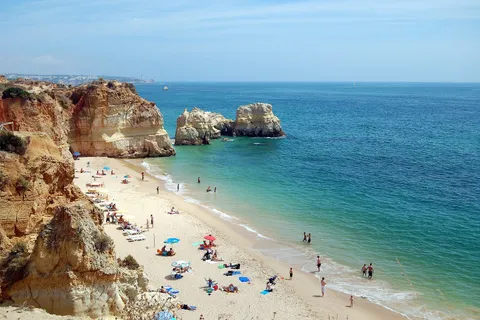
| Algarve (south) | ~86°F | ~72°F | Very high | Beach resort, busy |
| Lisbon | ~84°F | ~64°F | High | City buzz, hot pavement |
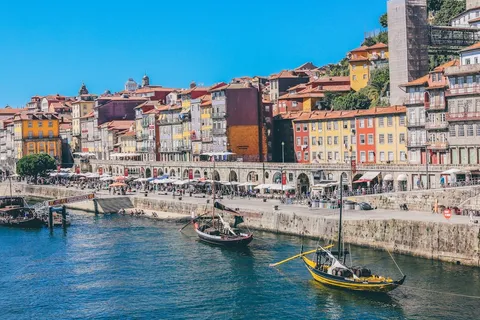
| Porto & Minho (north) | ~75°F | ~63°F | Moderate | Green, cooler, relaxed |
| Douro Valley | ~88°F | N/A (river) | Moderate | Vineyards, hot afternoons |
| Azores | ~75°F | ~72°F | Low-moderate | Mild, lush, uncrowded |
Approximate summer figures; check IPMA for live temperatures and sea conditions.
Where Should You Go to Beat the Heat and Crowds?
Head north or offshore for a cooler, calmer summer. The green north and the Azores stay markedly milder than the baking south, and INE overnight-stay data shows they draw a smaller share of the summer surge than the Algarve. If your idea of a good trip doesn’t involve fighting for beach space at 95°F, this is where you point the car.
The Cool, Green North
The north is my home turf, and it’s Portugal’s best-kept summer secret for Americans. Peneda-Gerês National Park gives you granite mountains, waterfalls, and natural swimming pools where the water is cold and the air stays fresh. The Douro Valley is hotter by day but stunning, all terraced vineyards and river cruises.
A road trip is the way to do it. Our north Portugal road trip route strings together Porto, the Minho, and Gerês, and renting a car is close to essential up here since public transport thins out in the countryside. Budget roughly $35-55 (~€32-50) a day for a compact rental in summer, and book early because fleets sell out.
The Azores: Portugal’s Cool-Summer Islands
If you truly want to escape the heat, fly to the Azores. These mid-Atlantic islands sit in the mid-70s°F all summer, lush and green, with crater lakes, hot springs, and whale watching. Our complete Azores guide covers island-hopping logistics. It’s a four-plus-hour flight from the mainland, or a direct hop from several US East Coast cities, which many US travelers don’t realize.
If You Still Want the South
No shame in it, the Algarve is famous for a reason. Just go early or late in the season, book ahead, and start beach days at dawn. Our roundup of the best beaches in Portugal for 2026 flags the quieter coves. Lisbon-based travelers can also cool off inland; see our best day trips from Lisbon for green, breezier options like Sintra.
What Practical Tips Make a Portuguese Summer Easier?
Plan around the heat, hydrate hard, and respect the local rhythm. Portugal’s midday sun is intense; the UV index frequently hits very high levels in July and August per IPMA, so sun protection isn’t optional. A little planning turns a sweaty slog into an easy, enjoyable trip.
The single best habit I’ve picked up living here is the siesta rhythm. Locals go out early, retreat indoors from roughly 1 to 4 p.m., then re-emerge for a long evening. Copy that. Do your sightseeing and beach time before lunch, nap or linger over a slow meal in the shade, and enjoy dinner at 8 or 9 p.m. like everyone else.
Pack light, breathable clothing, real sunscreen, a refillable water bottle, and a light layer for cool northern evenings and Atlantic breezes. Swim water quality is excellent at most official beaches; you can check Blue Flag certified beaches, which meet strict water-quality and safety standards.
Two more things worth sorting before you fly. Travel insurance is cheap peace of mind for a summer trip that involves hiking, driving, and swimming; a good policy costs far less than one canceled flight. And if you’re renting that car for the north, reserve it the moment your dates are firm, because summer availability tightens fast.
For official regional advice and event calendars, Visit Portugal, the national tourism board, is a solid, current resource.
So, Is Summer the Best Time to Visit Portugal?
Summer is the most vibrant time to visit, but it’s rarely the smartest for value or comfort. IPMA’s heat data and INE’s crowd figures both point the same way: July and August maximize sunshine and energy while also maximizing temperature, prices, and lines. For many Americans, the shoulder edges of June and September deliver 90% of the upside with far less stress.
My honest local take: if you must travel in peak summer, spend it in the north or the Azores, not the crowded south. You’ll get warm weather without the punishing heat, better prices, and a Portugal that still feels like itself rather than a packed resort strip. Save the Algarve for a June or September trip.
Curious how the off-season compares? Our Portugal in winter guide shows the quieter, cheaper flip side of the year.
Frequently asked questions
Is Portugal too hot in summer?
It depends where you go. The south and interior regularly hit the low-to-mid 90s°F in July and August, per IPMA, which some find intense. The northern coast and the Azores stay 10-15°F cooler. Plan indoor time from noon to 4 p.m. and the heat is very manageable.
When is the cheapest time to visit Portugal in summer?
Early-to-mid June and September are the cheapest summer windows. INE tourism data shows August as peak, when lodging prices climb steeply. Shifting to the shoulder edges can drop a nightly rate from around $200 (~€185) back toward $120 (~€110), with lighter crowds and still-warm weather.
Which part of Portugal is coolest in summer?
The Azores and the far north are coolest. The Azores average the mid-70s°F all summer per IPMA, and northern coastal cities like Porto sit well below southern highs. Peneda-Gerês and the Minho offer fresh mountain air and cold natural swimming pools when the south bakes.
Is it safe to visit Portugal with the wildfires?
Generally yes. Wildfires mostly affect the dry rural interior from July to September, not the coastal cities and beaches where most travelers stay. ICNF publishes daily fire-risk maps by municipality. Check conditions, avoid remote forest hikes on high-risk days, and follow any posted access restrictions.
How warm is the ocean in Portugal in summer?
Cooler than most Americans expect on the west coast. IPMA sea-temperature data shows the Atlantic off Lisbon and the north in the low-to-mid 60s°F even in August. The Algarve’s south-facing coast is warmer, often low 70s°F, making it the most comfortable place to swim.
Sources
This guide cites the following official sources. We link directly so you can verify every claim yourself.
- IPMA — Instituto Português do Mar e da Atmosferaipma.pt
- IPMA — Instituto Português do Mar e da Atmosferaipma.pt
- ICNFicnf.pt
- INE — Instituto Nacional de Estatísticaine.pt
- Blue Flagblueflag.global
- Visit Portugalvisitportugal.com
Some links on this page are affiliate links. If you buy through them, we may earn a commission at no extra cost to you. How we research and update our guides