



On this page14 sections
- Introduction
- What’s the Weather Really Like in Portuguese Winter?
- Why Winter Travel Actually Makes Sense Here
- Best Winter Destinations, Ranked by Vibe
- What to Pack (From Someone Who Got It Wrong)
- Winter Activities That Beat the Summer Versions
- Christmas and New Year: What Actually Happens
- Common Winter Mistakes Visitors Make
- Final Thoughts
Key Takeaways: Portugal in winter means mild temperatures (10-17°C in Lisbon and the Algarve), half-empty attractions, and hotel prices 40-60% lower than summer. The north gets rainy, Madeira stays subtropical at 15-22°C, and Serra da Estrela offers actual snow. Pack layers and a waterproof jacket, book port cellar tours without queues, and expect festive Christmas markets in December. It’s my favourite time to travel here. For the peak of the season, our guide to Portugal in December covers weather by region, costs and Christmas timing.
Introduction
I’ve lived in Northern Portugal for years now, and every December I get the same question from friends back home: “Isn’t Portugal cold and miserable in winter?” The honest answer is no, but it depends which Portugal you’re asking about. I drove from Braga to Faro last January and experienced four distinct climates in one day: grey drizzle in the north, crisp sunshine in Coimbra, golden-hour warmth in Lisbon, and actual sunbathing weather (17°C, no joke) on a beach near Lagos.
Winter here isn’t a compromise season. It’s when Portugal feels lived-in, when tascas fill with locals instead of tour groups, and when you can actually stand inside a Douro wine cellar without elbowing anyone. This 2026 guide covers what to expect, where to go, and what mistakes to avoid.
What’s the Weather Really Like in Portuguese Winter?
Winter weather in Portugal splits roughly into four zones: the south (Lisbon and Algarve) averages 10-17°C daytime with plenty of sun, the north (Porto, Braga) runs 6-14°C with frequent rain, Madeira stays subtropical at 15-22°C year-round, and Serra da Estrela gets genuine snow above 1,500m. According to IPMA (Portugal’s weather institute), Lisbon averages 5-6 rainy days monthly in December-February.
I’ll put this bluntly: if you’re coming from Boston or Manchester, a Portuguese winter feels like a long April. My American friends always overpack and regret it. The issue isn’t cold, it’s rain. Northern Portugal gets genuinely wet from November through February, and the drainage infrastructure in old towns wasn’t built for climate-change-era downpours. Cobblestones plus rain equals treacherous.
| City | Avg Day Temp | Avg Night Temp | Rain Days/Mo | Sunshine Hrs/Day |
|---|---|---|---|---|
| Lisbon | 15°C (59°F) | 8°C (46°F) | 9 | 5.5 |
| Porto | 13°C (55°F) | 5°C (41°F) | 13 | 4 |
| Faro (Algarve) | 16°C (61°F) | 8°C (46°F) | 7 | 6 |
| Funchal (Madeira) | 19°C (66°F) | 14°C (57°F) | 8 | 5 |
| Braga | 12°C (54°F) | 4°C (39°F) | 14 | 4 |
| Serra da Estrela | 5°C (41°F) | -2°C (28°F) | 11 | 4.5 |
Why Winter Travel Actually Makes Sense Here
Winter travel to Portugal saves you 40-60% on accommodation and up to 50% on flights compared to summer peaks, according to data from Kayak and Booking.com. Attractions run at 30-40% capacity. Jerónimos Monastery in Belém, which hits 2-hour queues in August, takes 15 minutes to enter in January. Restaurants don’t need 8pm reservations.
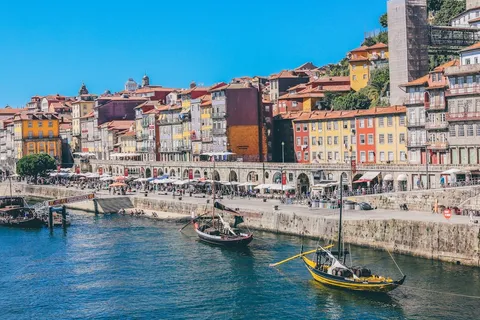
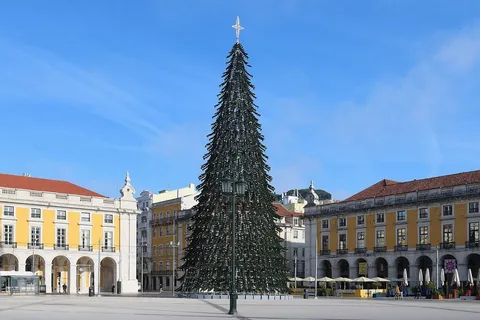
There’s a vibe shift too. December in Lisbon means Wonderland Lisboa in Parque Eduardo VII (ice rink, Ferris wheel, mulled wine stands). Porto dresses its entire riverfront in lights. Madeira throws what CNN has repeatedly called one of the world’s best New Year fireworks shows, visible from Funchal’s entire amphitheatre of hills. I took my sister there in 2024 and we watched it from a hotel balcony with a bottle of local Madeira wine in hand. Booking.com
Best Winter Destinations, Ranked by Vibe
For a 5-7 day winter trip, I’d rank destinations like this: Madeira for pure warmth and nature, Lisbon for walkable culture, Algarve for empty beaches and hikes, Porto for cosy wine-cellar weather, and Serra da Estrela for actual ski days. Each has a distinct personality and none of them require the tank-top wardrobe summer demands.
Madeira — The Guaranteed Warmth
Madeira is Portugal’s winter escape hatch. I hiked the Levada do Caldeirão Verde in mid-January wearing a t-shirt. The island sits closer to Morocco than mainland Portugal, and the trade winds keep it at 15-22°C. Book a stay in Funchal or Calheta (sunnier side), and don’t miss the cable car to Monte. GetYourGuide
Algarve — Empty Beaches, Still Sunny
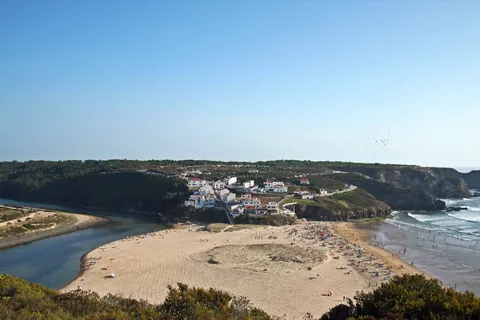
The Algarve in winter is one of Europe’s best-kept secrets for retirees and surfers. Benagil Cave tours run with 6 people instead of 60. Towns like Tavira and Olhão feel like actual Portuguese towns again, not theme parks. Restaurants that require week-ahead bookings in July take walk-ins. My pick for base: Lagos or Tavira. Booking.com
Lisbon — The Walkable Winter City
Lisbon handles winter better than most European capitals because the cold simply doesn’t bite. Tram 28 is actually rideable without a 90-minute queue. LX Factory, Time Out Market, and the Alfama viewpoints are all pleasant with a light jacket. See Living in Lisbon 2026: Complete Expat Guide for neighbourhood-by-neighbourhood detail.
Porto — Cosy Port-Wine Season
Porto in January is my personal favourite. Yes it rains. That’s part of the deal. Bundle up, cross the Dom Luís bridge, and spend three hours in a Vila Nova de Gaia cellar — Graham’s, Taylor’s, and Kopke all offer extended winter tastings with almost no crowds. Finish at a francesinha spot like Café Santiago.
Serra da Estrela — Yes, Portugal Has Skiing
The Vodafone Ski Resort at Torre (Portugal’s highest point at 1,993m) operates December through March, snow depending. It’s not Chamonix. It’s a quirky, small-scale ski spot that’s more about the novelty. Rent a quinta in the nearby villages of Manteigas or Seia, eat queijo da serra cheese, and warm up by the fireplace.
What to Pack (From Someone Who Got It Wrong)
Pack layers, a genuinely waterproof jacket, proper walking shoes (not flip-flops, not canvas sneakers), and a scarf. That’s the short list. Portugal’s older buildings famously have no central heating, so indoor temperatures can drop below outdoor ones on rainy days. Thermal underlayers are unexpectedly useful, especially if you’re staying in a quinta or old stone house in the Douro or Alentejo.
- Waterproof jacket — non-negotiable, especially for Porto, Braga, and Douro
- Walking shoes with grip — Portuguese calçada (cobblestones) plus rain equals slapstick falls
- Layers — a t-shirt, a light jumper, a jacket; Portuguese winter is a “peel and add” climate
- Swimwear — for Madeira, Algarve sunny days, thermal spas, and hotel pools
- Travel insurance — rain means delays; I’ve had two cancelled Douro trains SafetyWing
Winter Activities That Beat the Summer Versions
Winter activities in Portugal skew toward slow travel: port cellar tours, thermal baths, food markets, and festive events. Port cellars in Gaia run tastings with 70% fewer visitors than July, thermal towns like Caldas da Rainha and São Pedro do Sul are at peak popularity with locals (not tourists), and food markets transition to hearty seasonal produce.
My winter shortlist:
- Port cellar tours — Graham’s, Taylor’s, Sandeman in Gaia GetYourGuide
- Douro Valley day trip — rainy but spectacular, book a train to Pinhão
- Thermal spas — Termas de São Pedro do Sul, Termas da Curia, Termas de Caldas da Rainha
- Food markets — Mercado do Bolhão (Porto), Time Out Market (Lisbon), Mercado de Olhão
- Caretos de Podence (UNESCO carnival, February) — mask-wearing wild men of Trás-os-Montes
- Fátima pilgrimages — quieter and arguably more meaningful out of season
Christmas and New Year: What Actually Happens
Our full guide to Christmas in Portugal covers the closures, costs and traditions in detail. In short, Portuguese Christmas centres on the Consoada — the 24 December midnight dinner with cod (bacalhau cozido com todos), boiled potatoes, and family tradition. New Year is bigger and louder: Funchal’s fireworks are globally famous, Porto throws a Ribeira riverside party, and Lisbon’s Terreiro do Paço fills with 100,000+ locals. Book NYE hotels by October at the latest.
Regional oddities worth chasing:
- Caretos in Podence (Trás-os-Montes) — masked festivities around Carnival
- Bonfires in interior villages on Christmas Eve (Madeiros de Natal)
- Janeiras — door-to-door carol singers in northern villages
- Epiphany cake (Bolo-Rei) — buy it from Confeitaria Nacional in Lisbon
Common Winter Mistakes Visitors Make
The three biggest mistakes I see winter visitors make: underestimating rain in the north, booking too many outdoor activities back-to-back, and forgetting that Portuguese homes have poor insulation. A fourth: assuming the Algarve is “closed” in winter. It isn’t. About 70% of businesses stay open, and the weather is pleasant on most days.
Practical errors to dodge:
- Booking a Douro Valley day trip without a Plan B for rain
- Forgetting New Year fireworks hotels need October bookings
- Expecting Northern quintas to have central heating (some have fireplaces only)
- Skipping travel insurance when winter storms can ground flights to Madeira/Azores
- Trying to drive Serra da Estrela roads without snow chains after a cold front
For accommodation planning, see Booking.com for off-season deals — prices drop noticeably after 6 January.
Final Thoughts
Portugal in winter rewards the traveller who isn’t allergic to a bit of rain. You’ll pay less, queue less, and get a version of the country that locals actually live in. Pack a waterproof, aim for 5-7 days, and mix a coastal city (Lisbon or Porto) with a warm-weather fallback (Madeira or the Algarve). For itinerary structure across multiple regions, see 10 Days in Portugal: The Perfect Itinerary for First-Time Visitors and Best Cities in Portugal for Expats 2026: Where Should You Live?. Winter is also, honestly, the best time to scout whether you could actually Living in Lisbon 2026: Complete Expat Guide long-term — because if you like Portugal in February, you’ll love it always.
If you want winter’s low prices without the shortest days, November in Portugal is the gentler alternative — mild, wet, and far quieter than summer.
If you want actual snow rather than coastal drizzle, Serra da Estrela is the only mountain range in mainland Portugal that reliably gets it. For a month-by-month breakdown of the deepest part of the off-season, see our guide to Portugal in January.
Frequently asked questions
Does it rain everywhere in Portugal in winter?
No. The north (Porto, Braga, Minho) gets significant rain, with 13-15 rainy days monthly. The south (Lisbon south, Algarve) averages 6-9 rainy days. Madeira and the Azores have their own microclimates. If you want dry winter weather, head south.
Can you go to the beach in Portugal in winter?
You can walk the beach year-round. Swimming is mostly for surfers and polar plungers on the mainland (Atlantic water stays 13-15°C), but Madeira’s beaches are swimmable with a rashie. Sunbathing on a beach in the Algarve in January? Completely doable — I did it this year at Praia da Marinha.
Is the Algarve dead in winter?
Not at all. Bigger towns like Albufeira, Portimão, Lagos, and Faro stay open. Smaller resort strips go quiet, which some travellers prefer. Golf courses are busy, expats are everywhere, and restaurants serve locals instead of Brits on package tours.
Do flights to Portugal still run in winter?
Yes, Lisbon and Porto are year-round hubs with TAP, Ryanair, easyJet, and United all flying in. Madeira and the Azores have slightly reduced schedules but daily flights from Lisbon. Occasional storms ground flights to Madeira — Funchal airport is famously tricky.
Is Portugal colder than Spain in winter?
Lisbon is roughly equivalent to Seville: mild, coastal, 10-17°C days. Porto runs slightly cooler and much wetter than Madrid. The Algarve is warmer than Granada. If you’re choosing between them, Portugal has the edge for humidity (in a good way — it doesn’t hit the bone like inland Spain).
Some links on this page are affiliate links. If you buy through them, we may earn a commission at no extra cost to you. How we research and update our guides