


On this page9 sections
- Is Portugal Worth Visiting in January?
- Weather in Portugal in January, Region by Region
- How Crowded Is Portugal in January?
- What Does Portugal in January Cost?
- What’s Open in Portugal in January?
- Epiphany and Dia de Reis Traditions
- January Sales Season (Saldos)
- Best Things to Do in Portugal in January
- What to Pack for Portugal in January
Portugal in January is quiet, cheap, and wetter than you’d think, especially north of Lisbon. You’ll get mild days (50s to low 60s°F on the coast), real rain in Porto and the north, genuine cold and snow up in the Serra da Estrela, and prices for flights and hotels that can run 30-50% below summer. If you want empty streets, low costs, and don’t mind packing a real jacket, it’s a good month. If you came for beach weather, wait for April or May.
Key Takeaways: January in Portugal means mild coastal temperatures (50-60°F), frequent rain in the north and center, dry-but-cool conditions in the Algarve, and the lowest hotel and flight prices of the year. Lisbon and Porto stay lively with museums, fado, and full restaurant calendars, while Epiphany (Dia de Reis) on January 6 brings king cake and carol traditions. January sales (saldos) start right after New Year’s. It’s a strong month for city breaks and budget travel, a weak one for beaches.
Is Portugal Worth Visiting in January?
Yes, if your trip is built around cities, food, wine, and culture rather than beach days. January is Portugal’s off-season in the fullest sense: fewer tourists, shorter lines at Belém and the Livraria Lello, and locals-only tables at restaurants that are booked solid in July. The tradeoff is weather that ranges from mild-and-damp in Lisbon to properly wet in Porto and the north. If you’re coming from a US winter, Portugal in January still feels like a break, gray days with 55°F highs beat a Boston or Chicago January by a wide margin. Just bring layers and a real umbrella, not a travel one.
Weather in Portugal in January, Region by Region
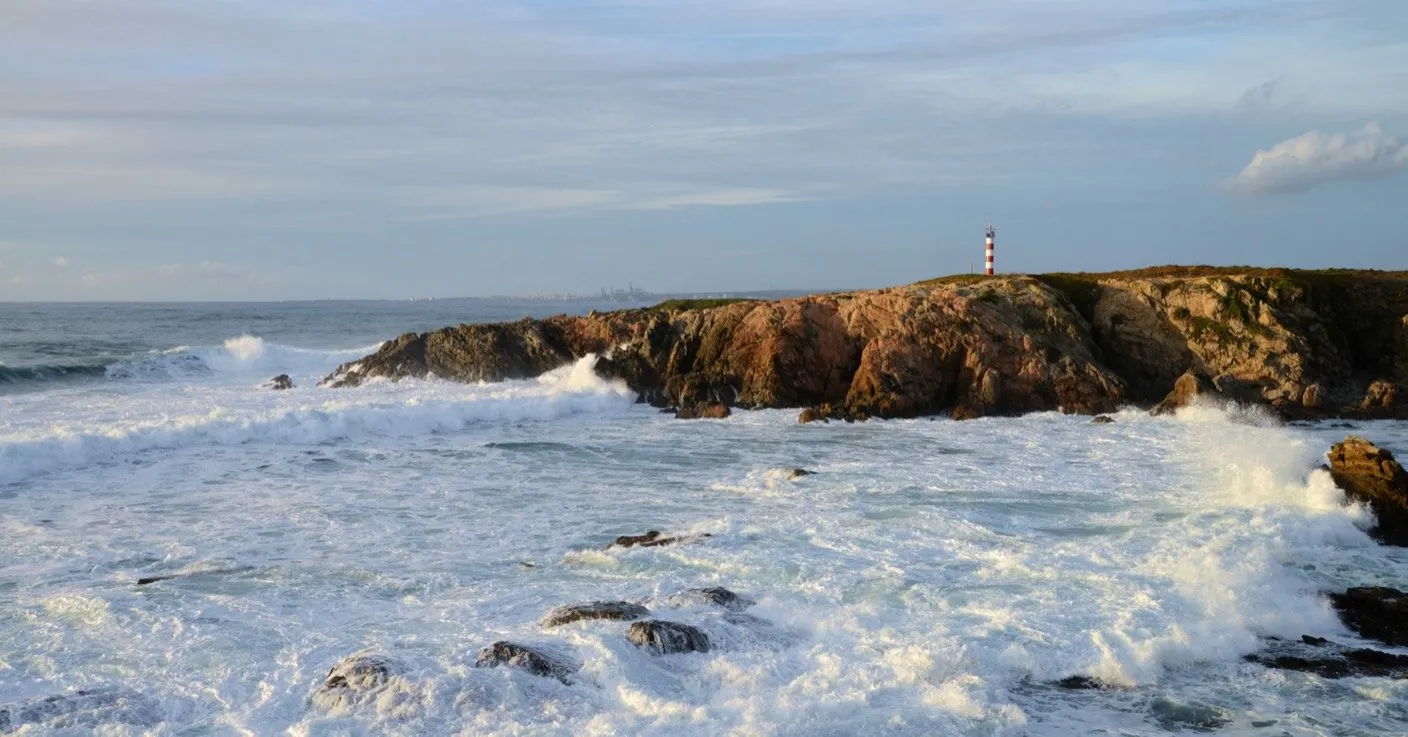
Weather varies more by region in January than in any other month, so where you go matters more than usual. According to climate normals from IPMA, Portugal’s national weather institute, the north and center see the most January rainfall, while the Algarve and Madeira stay comparatively dry and mild. Here’s how the main regions compare.
| Region | Avg High | Avg Low | Rain Days | Sea Temp |
|---|---|---|---|---|
| Lisbon | 59°F (15°C) | 46°F (8°C) | ~13 | 60°F (16°C) |
| Porto | 57°F (14°C) | 43°F (6°C) | ~16 | 58°F (14°C) |
| Faro / Algarve | 61°F (16°C) | 46°F (8°C) | ~10 | 60°F (16°C) |
| Madeira (Funchal) | 63°F (17°C) | 57°F (14°C) | ~12 | 66°F (19°C) |
| Azores (Ponta Delgada) | 61°F (16°C) | 52°F (11°C) | ~18 | 63°F (17°C) |
| Serra da Estrela | 43°F (6°C) | 30°F (-1°C) | ~14 | n/a |
The takeaway: Lisbon and the Algarve are your best bet for a milder, drier trip, Porto and the Douro Valley lean cold and wet, Madeira is the warmest option by a clear margin, and the Serra da Estrela is the one place in mainland Portugal where you can actually expect snow. For a broader sense of how the whole country shifts through the cold months, our winter overview compares December through February side by side, and if you’re weighing December against January specifically, the December guide covers what changes once the holidays end. If you can push your trip a few weeks later, our February guide covers Carnaval and the first almond blossoms.
How Crowded Is Portugal in January?
January is the quietest month of the year in most of Portugal, tourism-wise. Statistics from INE, Portugal’s national statistics institute, consistently show winter months carrying the lowest share of annual overnight stays by non-resident tourists, well below the July-August peak. In practice that means no lines at the Torre de Belém, easy walk-in tables in Chiado, and a Livraria Lello you can actually browse instead of shuffle through. Porto and Lisbon still have a steady stream of visitors since both cities run year-round on business travel and weekend breaks, but you won’t hit the shoulder-to-shoulder crowds of spring or summer. The Algarve, by contrast, goes properly sleepy: many seasonal restaurants and beach bars close for the month, and towns like Lagos or Albufeira feel like a different, much smaller place than they do in July.
What Does Portugal in January Cost?
Portugal in January is one of the cheapest times of year to visit, with flights and hotels both dropping well below summer rates. Airlines and hotels price January as deep off-season, and car rental agencies follow the same pattern since demand craters once the summer road-trip crowd disappears. Here’s a rough sense of how costs shift.
| Item | January (approx.) | July (approx.) |
|---|---|---|
| Round-trip flight, US East Coast to Lisbon | $450 (~€388) | $850 (~€733) |
| 3-star hotel, Lisbon, per night | $85 (~€73) | $160 (~€138) |
| 3-star hotel, Porto, per night | $75 (~€65) | $140 (~€121) |
| Economy car hire, per day | $28 (~€24) | $55 (~€47) |
| Algarve beachfront apartment, per night | $70 (~€60) | $220 (~€190) |
These are ballpark figures based on typical seasonal swings rather than a fixed published index, actual prices depend on how far ahead you book and which dates you pick around holidays. Still, the direction is consistent: January is routinely the cheapest or second-cheapest month to fly into and stay in Portugal, particularly if you skip the week around New Year’s, when prices spike briefly before dropping again in the second week of the month.
What’s Open in Portugal in January?
Most of what matters, museums, restaurants, palaces, and transit, stays open through January, though the Algarve’s beach-town economy scales way back. Lisbon and Porto run on normal city hours all month: the Gulbenkian, the National Tile Museum, Belém Tower, and the major fado houses all operate their regular schedules. Restaurants in both cities stay busy since locals eat out year-round, and this is actually a good window to try the kind of tasting menus covered in our Lisbon restaurant guide without a three-week booking lead time. Where January gets quieter is the coast: many Algarve resorts, beach bars, and seasonal tour operators close from November through February or March, reopening around Easter. Rural guesthouses in the interior sometimes do the same. If you’re planning a day trip from Lisbon to Sintra or Cascais, check opening hours in advance since some palace wings and smaller attractions run reduced winter schedules.
Epiphany and Dia de Reis Traditions
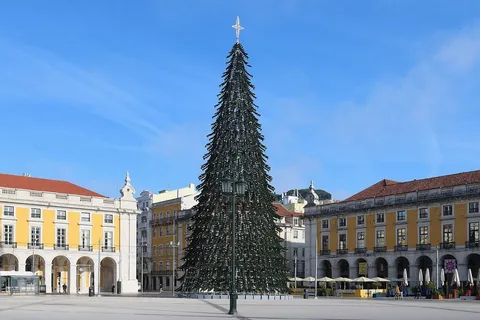
January 6 is Dia de Reis, Portugal’s Epiphany celebration, marked with king cake and door-to-door carol singing rather than gifts. Traditionally, groups called janeiras go house to house singing songs that welcome January and wish neighbors good fortune, a custom still alive in smaller towns in the north and center more than in big cities. The signature food is the bolo-rei, a ring-shaped fruit cake dusted with sugar and studded with candied fruit and nuts, sold in every padaria from December through early January. Older versions hid a small trinket and a dried fava bean inside (whoever got the bean had to buy next year’s cake), though most modern bakeries have dropped that for food-safety reasons. If you’re in Portugal for the holidays generally, our Christmas in Portugal guide covers the lead-up to Reis, since the two seasons run together as one long holiday stretch that only really ends after January 6.
January Sales Season (Saldos)
Portugal’s winter saldos, the seasonal clearance sales, start right after Christmas and run through most of January, sometimes into early February. Department stores, shopping centers, and independent shops across Lisbon and Porto discount winter stock, often 30-50% off by mid-month as inventory clears. Avenida da Liberdade in Lisbon and Porto’s Baixa district are the main hunting grounds if you want a mix of Portuguese and international brands. It’s a reasonable side activity on a trip built primarily around sightseeing, not a reason to visit on its own, but worth knowing about if you’re shopping for shoes, coats, or home goods while you’re there anyway.
Best Things to Do in Portugal in January
Portugal in January rewards an indoor-outdoor mix: museums and food on damp days, hikes and coastal walks when the sun breaks through. In Lisbon, pair a morning at the Gulbenkian or MAAT with an afternoon walk through Alfama, and catch a fado show at night when the small clubs are far easier to get into than in peak season. In Porto, spend a rainy day touring port wine cellars in Vila Nova de Gaia, they’re indoors and warm, then walk the riverside when it clears. If you want snow, the Serra da Estrela is mainland Portugal’s only real ski option, with a small resort at Torre that runs lifts when conditions allow, though snowfall is inconsistent enough that you should check conditions before planning a dedicated trip. The Azores are wetter and windier in January but still worth it for hot springs and dramatic, moody landscapes if you don’t mind a rain jacket. For a full sense of how a January trip fits into a longer Portugal itinerary, our Portugal travel guide lays out routes that work across seasons.
What to Pack for Portugal in January
Layer for mid-40s to low-60s°F days with real rain, not for a Mediterranean winter. A waterproof jacket matters more than a heavy coat, since Portuguese winter rain tends to come in bursts rather than steady snow-country cold. Bring a sweater or two, a scarf, and shoes that can handle wet cobblestones, Lisbon and Porto’s calçada pavement gets genuinely slick when damp. If you’re heading to the Serra da Estrela, pack for actual winter: waterproof boots, gloves, and a proper insulated coat, since temperatures there drop well below what you’ll feel on the coast. Indoor heating is less universal than in the US, older buildings and some guesthouses run cooler than American travelers expect, so packing a warm layer for evenings indoors isn’t a bad idea either. A compact travel umbrella is still worth having for short bursts of rain between museum stops, even though it won’t hold up on its own during a proper Porto downpour. Comfortable, broken-in walking shoes matter too, since most sightseeing in Lisbon and Porto happens on foot over uneven, occasionally slick stone streets, and you’ll likely be covering more ground per day than you would lounging on an Algarve beach in summer.
Portugal in January isn’t for everyone, but for travelers who want low prices, thin crowds, and a country that still functions normally around them, it’s a genuinely good call. Pack for rain, lean into cities and culture over beaches, and you’ll get a version of Portugal that summer visitors never see.
Frequently asked questions
Is it too cold to visit Portugal in January?
No. Coastal Portugal stays mild, with daytime highs typically in the mid-50s to low 60s°F, cold by Portuguese standards but comfortable compared to most of the US in January. It’s rain, not cold, that’s the bigger factor to plan around.
Does it rain a lot in Portugal in January?
Yes, especially in the north. Porto and the Douro region see noticeably more January rain days than Lisbon or the Algarve, based on [IPMA’s climate data](https://www.ipma.pt/en/oclima/normais.clima/). Pack a proper waterproof layer rather than relying on an umbrella alone.
Can you swim in Portugal in January?
Technically yes, but almost nobody does. Sea temperatures sit around 58-60°F on the mainland coast, cold enough that swimming is limited to a few hardy locals rather than typical tourist activity. Madeira, at around 66°F, is the most swimmable option in January.
Is the Algarve open in January?
Partially. Major towns like Faro and Lagos stay functional year-round, but many seasonal beach bars, resorts, and restaurants close for the winter, reopening closer to Easter. Expect a quieter, more local Algarve than the summer version.
What’s the cheapest month to fly to Portugal, is it January?
January is consistently one of the two or three cheapest months, alongside November and February, for flights from the US to Portugal. Prices dip further after the New Year’s travel rush passes in the second week of the month.
Sources
This guide cites the following official sources. We link directly so you can verify every claim yourself.
Some links on this page are affiliate links. If you buy through them, we may earn a commission at no extra cost to you. How we research and update our guides