





On this page15 sections
- How Much Does a 10-Day Portugal Trip Cost?
- Days 1-3: Lisbon — The Essential Neighborhoods
- Day 4: Sintra — Book Your Tickets Before You Leave Home
- Day 5: Évora and the Alentejo — The Detour Most Tourists Skip
- Days 6-7: Porto — Ribeira, Port, and the Markets
- Day 8: Douro Valley — The Wine Day You’ll Remember
- Day 9: Braga or Guimarães — Pick One
- Day 10: Back to Lisbon or Fly From Porto
- Day-by-Day Itinerary Table
- Transport: Train vs Car vs Bus vs Flight
- Accommodation by Budget Tier
- What to Pack
- Foods You Have to Try
- Common Mistakes First-Time Visitors Make
- Final Thoughts
Key Takeaways: Ten days is the sweet spot for first-time Portugal visitors. You’ll want 3 nights in Lisbon, a day in Sintra, an overnight in Évora for the Alentejo vibe, 2 nights in Porto, a full day in the Douro Valley, and one day in Braga or Guimarães. Budget €1,400-€3,200 per person. Skip August (too hot, too crowded), book Sintra and port cellars in advance, and wear real walking shoes for the cobblestones.
I moved to Northern Portugal three years ago, and every month I get the same message from friends back home: “We’ve got ten days — what do we actually do?” After dragging my parents, my sister, and more American friends than I can count around this country, I’ve landed on an itinerary that hits the essentials without grinding you into exhaustion. Ten days isn’t enough to see everything (Portugal is longer than you think), but it’s enough to fall in love with Lisbon, Porto, the Alentejo countryside, and the Douro, while leaving a reason to come back for the Algarve or the Azores.
This is the trip I’d plan for my own parents, down to which pastelaria to skip and which train you should actually pre-book on the CP website. Let’s get into it.
How Much Does a 10-Day Portugal Trip Cost?
Budget travelers spend €1,400-€1,800 per person (hostels, trains, quick meals), mid-range sits around €2,200-€2,800 per person (3-star hotels, one nice dinner nightly, mix of train and rental car), and upscale travelers run €3,000-€4,500+ per person with pousadas, Douro wine hotels, and private transfers. Flights from the US add $650-€1,200; from the UK, €100-€250.
Portugal is still genuinely cheaper than France, Italy, or Spain — a full lunch with wine runs €12-€18 outside of Lisbon tourist traps, and a regional train from Lisbon to Évora is €12.80. That said, Lisbon prices have climbed hard since 2022. Don’t expect 2015 numbers.
Use Wise for a multi-currency card — Portuguese ATMs often charge €5-€7 per withdrawal on US cards, and Wise’s conversion rate beats your bank by a wide margin. I use mine daily.
Days 1-3: Lisbon — The Essential Neighborhoods
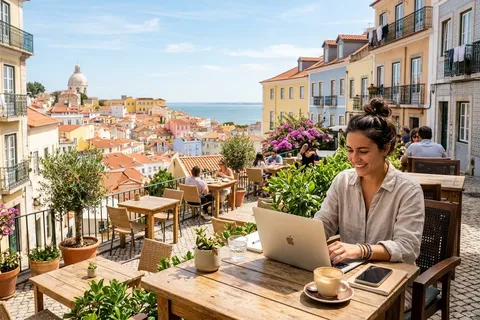
Base yourself in Baixa, Chiado, or Príncipe Real for three nights. Day 1 is Alfama and the castle (walk, don’t taxi — the streets are the point). Day 2 hits Belém for the Jerónimos Monastery, the Tower, and pastéis de nata. Day 3 is for Bairro Alto fado, LX Factory in the afternoon, and a sunset at Miradouro da Senhora do Monte. Three nights is tight but workable.
On Alfama: start at Largo das Portas do Sol for the view, wander down through Santa Luzia, and get lost on purpose. Grab lunch at Ti-Natércia (tiny, cash-only, no frills, best grilled sardines I’ve had in the city) or Zé da Mouraria if Ti-Natércia has a queue. Skip Tram 28 at midday — you’ll wait 45 minutes and be packed like sardines. Take it at 8am or walk.
Belém is a 20-minute train from Cais do Sodré (€1.80). Hit Jerónimos at opening (9:30am) to dodge the cruise-ship crowds. For pastéis de nata: locals rank Manteigaria (Chiado, not Belém) ahead of the famous Pastéis de Belém. Pastéis de Belém is a historic institution, but the line’s 45 minutes and the tart’s fine, not transcendent. Manteigaria bakes in front of you and costs €1.40.
For fado, skip the tourist-trap dinner shows in Bairro Alto. Book Tasca do Chico (informal, €15-€20 food minimum, amateur and pro singers drop in) or Mesa de Frades if you want an upscale experience with reservations locked in two weeks ahead.
Booking.com has solid options in Chiado starting around €110/night in shoulder season. I’ve sent friends to Memmo Alfama (€220, rooftop pool with river view) and they haven’t stopped talking about it.
Day 4: Sintra — Book Your Tickets Before You Leave Home
Sintra is 40 minutes by train from Rossio station (€2.30 each way). Hit Pena Palace at opening (9:30am, €15 pre-booked online) and Quinta da Regaleira after lunch (€13). Skip Monserrate unless you have a full day. Cabo da Roca is worth a quick drive if you rent a car, but not by bus. Expect 18,000+ daily steps.
Book Pena Palace timed entry online at least 3 days ahead — same-day walk-ups get turned away all summer. The 434 bus from Sintra station to Pena costs €4.25 one-way; the walk is steep but pretty (40 minutes). If you’re traveling with older parents, splurge on a tuk-tuk (€15-€25).
Lunch: Tascantiga on Escadinhas da Fonte da Pipa does honest Portuguese food for €12-€15 per plate. Avoid the restaurants on the main square — they’re priced for tourists who don’t know better.
Pre-book a GetYourGuide skip-the-line combo for Pena and Regaleira if the logistics stress you out. Worth the extra €10 to not deal with it.
Day 5: Évora and the Alentejo — The Detour Most Tourists Skip
Évora is 1h40 by Intercidades train from Lisbon Oriente (€12.80-€19.20) or a 1h30 drive via the A6. It’s a UNESCO-listed walled town with the Capela dos Ossos (bone chapel, €5), a Roman temple, and cork-oak countryside stretching to the horizon. Stay overnight in a pousada or rural hotel — the Alentejo hits different at sunset.
This is where I beg you not to rush back to Lisbon. The Alentejo is Portugal’s slow south: cork trees, olive groves, whitewashed villages, and food that’s heavier and more rustic than Lisbon or Porto. Order the porco à alentejana (pork and clams) at Fialho (€22, institution since 1948) or Botequim da Mouraria (no reservations, no menu, just trust them).
Overnight at Pousada Convento de Évora (€140-€220, a converted 15th-century convent) or head 30 minutes out to a rural monte like São Lourenço do Barrocal (€280+, but the views alone justify it). Cork-oak country needs a rental car — Europcar at Lisbon airport runs €35-€55/day for a basic compact.
Booking.com is the easiest way to filter pousadas and rural properties. Book 2-3 months ahead for spring and autumn weekends.
Days 6-7: Porto — Ribeira, Port, and the Markets
Take the Alfa Pendular train from Évora (change in Lisbon) or drive 3h30 north. In Porto, base in Ribeira, Baixa, or Cedofeita for two nights. Day 6: walk Ribeira, cross the Dom Luís I bridge to Gaia for port wine cellar tours (Taylor’s, Graham’s, or Sandeman). Day 7: Livraria Lello, Bolhão market, lunch at Matosinhos for grilled fish. Porto is smaller, hillier, and more atmospheric than Lisbon.
Port cellars: Taylor’s (€22, most polished tour, killer terrace view), Graham’s (€25-€35, excellent tasting flight, steep walk up), or Sandeman (€17, cheaper and group-friendly). Book online 48 hours ahead in high season or you’ll queue.
For lunch, skip Ribeira’s waterfront traps and take the metro to Matosinhos (20 minutes, €1.50). Marisqueira Antiga or O Gaveto for grilled dourada and robalo straight off the boat. Budget €30-€45/person with wine.
Francesinha is Porto’s signature sandwich — bread, three meats, melted cheese, spicy beer sauce, often a fried egg on top. Café Santiago and Brasão Aliados are the two serious contenders. It’s heavy. Plan your afternoon accordingly.
Day 8: Douro Valley — The Wine Day You’ll Remember
The Douro is Portugal’s wine country and the world’s oldest demarcated wine region (1756). From Porto, take the scenic CP train to Pinhão (2h, €13-€30 each way) or book a full-day small-group tour (€85-€140 with tastings, lunch, and a river cruise). Visit 2-3 quintas max — Quinta do Crasto, Quinta do Bomfim, or Quinta da Pacheca are my go-tos.
Do not try to DIY the Douro without a car and without pre-booked tastings. Most quintas require reservations and don’t accept walk-ups. A small-group tour via GetYourGuide (€95-€140) handles logistics, includes a terrace lunch, and usually throws in a short river cruise.
If you drive yourself, the views from N-222 between Peso da Régua and Pinhão are worth the rental alone. Quinta do Crasto’s infinity pool overlook is the photo everyone takes. Tastings run €15-€30 per quinta.
Day 9: Braga or Guimarães — Pick One
Braga (1h train from Porto, €3.55) is Portugal’s religious capital — Bom Jesus do Monte with its zigzag baroque staircase is the draw, plus a lively student-town dinner scene. Guimarães (1h15, €3.55) is where Portugal was literally founded — the medieval castle and old town are UNESCO-listed and walkable in a day. Pick one; don’t try both.
I’d send history buffs to Guimarães and anyone who wants a photogenic, atmospheric city break to Braga. The Bom Jesus staircase is the single most striking religious site in the country. Take the funicular up (€2) or walk the 577 steps if you want to earn lunch.
Lunch in Braga: Cozinha da Sé or Casa de Pasto das Carvalheiras, both under €18 for traditional Minho food.
Day 10: Back to Lisbon or Fly From Porto
If you’re flying home from Lisbon, take the 3-hour Alfa Pendular train from Porto Campanhã to Lisbon Oriente (€25-€37 pre-booked). If you can fly out of Porto (OPO), do it — Porto’s airport is smaller, calmer, and only 20 minutes from the city by metro (€2.60). TAP, Ryanair, and easyJet all fly out of OPO to most European hubs and a handful of US cities.
Don’t book an early-morning international flight on day 10 if you’re coming from anywhere outside Porto the day before. Get to Porto on day 9 evening and sleep near the airport, or you’ll miss your flight. I’ve watched it happen.
Day-by-Day Itinerary Table
| Day | Base | Main Activities | Est. Cost/Person | Transport |
|---|---|---|---|---|
| 1 | Lisbon | Arrival, Alfama walk, Miradouro das Portas do Sol | €80-€180 | Airport Metro €1.80 |
| 2 | Lisbon | Belém, Jerónimos, Manteigaria pastéis | €70-€150 | Train Cais do Sodré €1.80 |
| 3 | Lisbon | Chiado, LX Factory, fado dinner | €90-€200 | Walk/Metro |
| 4 | Lisbon | Sintra day trip — Pena + Regaleira | €75-€160 | Train Rossio €4.60 return |
| 5 | Évora | Bone Chapel, Roman temple, pousada stay | €140-€320 | Intercidades €12.80 |
| 6 | Porto | Évora → Porto, Ribeira, Gaia port cellars | €120-€280 | Train via Lisbon €40-€65 |
| 7 | Porto | Livraria Lello, Bolhão, Matosinhos lunch | €90-€200 | Metro/Walk |
| 8 | Porto | Douro Valley tour or train to Pinhão | €120-€260 | Group tour or CP train |
| 9 | Porto | Braga or Guimarães day trip | €60-€140 | CP train €7.10 return |
| 10 | Departure | Fly from OPO or train to LIS | €40-€90 | Metro/CP Alfa |
Transport: Train vs Car vs Bus vs Flight
For this itinerary, trains handle 90% of what you need. CP’s Intercidades and Alfa Pendular connect Lisbon, Évora, Coimbra, and Porto reliably, and booking on cp.pt 5+ days ahead unlocks Promo fares (up to 65% off). Rent a car only for the Alentejo and Douro days. Flixbus is cheapest but slower. Skip domestic flights for a 10-day trip.
Train pros: No parking hassle, scenic, city-center stations. Train cons: Rural Alentejo is a pain without a car. Car pros: Freedom in Alentejo and Douro. Car cons: Lisbon and Porto parking is brutal (€15-€25/day) and gas is €1.80/liter. My rule: trains between cities, car only where you need one.
Europcar and Sixt both have Lisbon airport desks. Book through Booking.com car rental for comparison pricing — I’ve saved €80+ on week-long rentals.
Accommodation by Budget Tier
- Hostel dorm: €25-€40/night (Yes! Lisbon, The Passenger Hostel Porto)
- Mid-range hotel: €70-€130/night (Ibis Styles, Vincci Baixa, Hotel Carrís Porto Ribeira)
- Upscale boutique: €150-€300/night (Memmo Alfama, Torel Palace Porto)
- Pousada: €120-€250/night (Pousada Convento Évora, Pousada Viseu) — book 2-3 months out
- Luxury wine hotel: €350-€700+ (Six Senses Douro Valley, The Yeatman Porto)
Book via Booking.com with free cancellation — Portuguese prices shift fast in shoulder season.
What to Pack
- Real walking shoes. Cobblestones and steep hills will destroy bad footwear. No heels, no brand-new sneakers, no flat-soled sandals.
- Light rain jacket year-round, even in July.
- Layers. October morning in Porto can be 12°C; afternoon can hit 24°C.
- Type F power adapter (two round pins). Not Type C.
- Day bag with a secure zip. Pickpocketing on Tram 28 and in Rossio is real.
- Sunscreen. Southern sun is stronger than you think.
Foods You Have to Try
- Pastel de nata — Manteigaria (Chiado) beats Pastéis de Belém for locals. Fight me.
- Bacalhau à brás — shredded salt cod, eggs, onions, crispy potatoes. Comfort food royalty.
- Francesinha — Porto’s heart-attack sandwich. Café Santiago.
- Ameijoas à bulhão pato — clams in garlic, olive oil, and cilantro. Essential.
- Vinho verde — slightly sparkling, low-alcohol white. €3-€4 for a carafe in the Minho.
- Porco à alentejana — pork and clams. Don’t question it, just order it.
- Queijo da Serra — runny sheep cheese from the mountains. Spoon it onto bread.
Common Mistakes First-Time Visitors Make
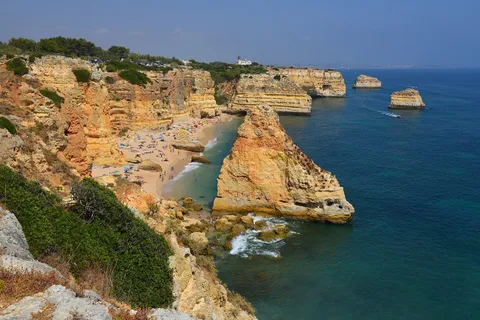
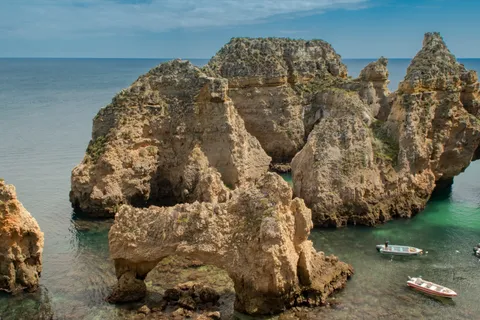
- Cramming the Algarve in. It’s 3 hours from Lisbon and deserves its own trip. Skip it this round.
- Not booking Sintra in advance. Pena Palace sells out daily in summer.
- Skipping Alentejo. You’ll regret the day you spent rushing through and not the one you slowed down for.
- Only seeing Lisbon and Porto. Portugal is not two cities.
- Driving into Lisbon or Porto city centers. Return rental cars at the airport.
- Assuming English everywhere. Older rural folks may not speak it. Learn “obrigado/a” and “por favor”.
- Tipping 20%. 5-10% is standard; 10% is generous. Don’t over-tip.
Final Thoughts
Ten days in Portugal is enough to understand why so many of us end up moving here. If you can stretch the trip, our 2 weeks in Portugal itinerary adds the Douro, central Portugal and the Algarve to this same route without any backtracking. You’ll eat better than you expected, pay less than you feared, and walk more than you thought possible. Book Sintra and the port cellars before you fly, keep your itinerary loose enough for a long lunch that turns into dinner, and save a half-day for wandering without a plan. That’s usually where the best memories hide.
If you want to go deeper on specific cities, check out our guide to Living in Lisbon 2026: Complete Expat Guide, the rundown on Best Cities in Portugal for Expats 2026: Where Should You Live?, and our detailed list of 8 Best Day Trips from Lisbon (2026 Guide). And if you’re starting to think “I could actually live here” by day 7, you won’t be the first.
Frequently asked questions
Is 10 days enough for Portugal?
For first-time visitors who want Lisbon, Porto, and a taste of the country between them, yes. You’ll miss the Algarve, Madeira, and the Azores, but you’ll see the core of mainland Portugal without burning out. If you want the Algarve too, plan 14 days.
Do I need to rent a car?
Only for the Alentejo (day 5) and Douro (day 8), and even the Douro works fine on a group tour. Trains handle everything else faster and cheaper. Rent for 2-3 days total, not the whole trip.
What about the Algarve?
Skip it on a 10-day trip. It’s 3 hours from Lisbon and deserves 4+ days on its own. Come back for a beach trip in May or September.
Best month to visit Portugal?
May, June, and September. Mid-20s°C, long days, fewer crowds than July-August, and prices are 20-30% lower than peak. Avoid August (hot, packed, locals are all at the beach). October is lovely but days get short.
Is Portugal safe for tourists?
Yes — one of Europe’s safest countries. Violent crime is rare. The main risks are pickpockets on Tram 28, in Rossio, and at Porto São Bento station. Standard urban common sense covers you.
Some links on this page are affiliate links. If you buy through them, we may earn a commission at no extra cost to you. How we research and update our guides