



On this page8 sections
- Why are digital nomads choosing Madeira in 2026?
- Funchal or Ponta do Sol: which should remote workers pick?
- What does it cost to live on Madeira as a remote worker?
- How fast is the internet, really?
- How do US remote workers get the D8 visa for Madeira?
- What about healthcare and taxes?
- What’s daily life actually like on the island?
- The honest verdict
I live in the north of mainland Portugal, but I’ve spent enough weeks on Madeira to stop calling it “a trip” and start calling it research. The island has built a real reputation with remote workers, and most of it is earned. Madeira gives you fast fiber, mild weather year-round, dramatic hikes after you close the laptop, and a community that the local government actually helped seed back in 2021. This guide is the honest version: what it costs, how the D8 visa works, and whether Funchal or the famous nomad village in Ponta do Sol fits you better.
Key Takeaways:
- A solo remote worker typically spends around $1,900-$2,600 (~€1,750-€2,400) a month on Madeira, with Funchal pricier than Ponta do Sol.
- Fiber in Funchal commonly runs 100-500 Mbps, plenty for video calls and uploads.
- The D8 visa is the standard legal route for non-EU remote workers, handled through AIMA.
- Ponta do Sol hosts the official Digital Nomads Madeira village; Funchal suits people who want city life.
Why are digital nomads choosing Madeira in 2026?
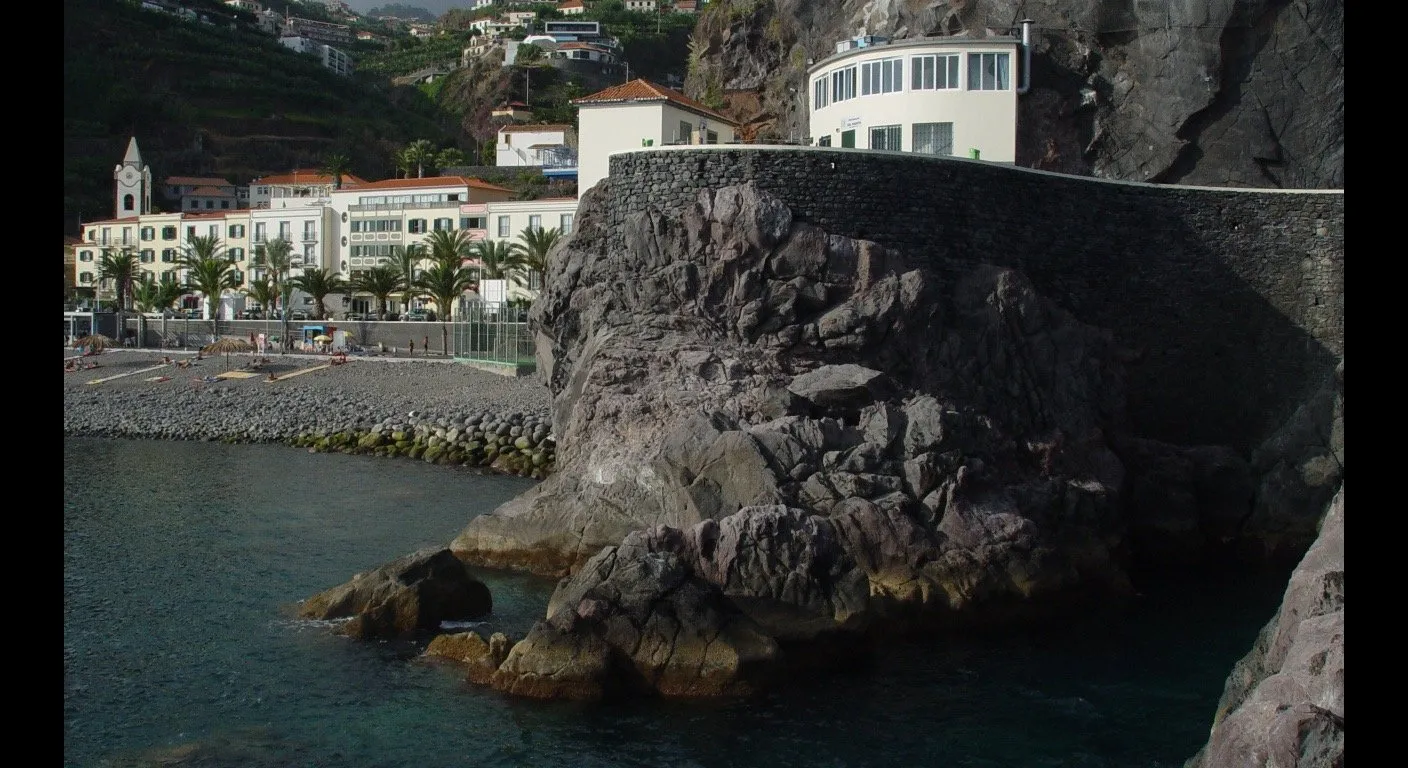
Madeira works for remote workers because it pairs reliable infrastructure with a low-stress lifestyle, and the local government leaned into that early. In February 2021, regional authorities and Startup Madeira launched a Digital Nomads project based in Ponta do Sol, one of the first government-backed nomad villages in Europe. That head start built a community that’s still active in 2026.
The pitch is simple. You get European time zones that overlap with US East Coast afternoons, an Atlantic climate that rarely swings to extremes, and an island small enough to cross in under two hours. After work I’ve hiked a levada trail and been back for dinner. That’s the appeal that keeps people extending one-month stays into one-year ones.
The official Digital Nomads Madeira project launched in February 2021 in Ponta do Sol, making it one of Europe’s earliest government-supported nomad villages. Source: Digital Nomads Madeira / Startup Madeira.
Madeira is an autonomous region of Portugal with its own regional government, so some rules and incentives differ slightly from the mainland. You can read more about the program directly on the official Digital Nomads Madeira site. The visa side, though, runs through national Portuguese immigration, which I’ll cover below.
Funchal or Ponta do Sol: which should remote workers pick?
Choose Funchal if you want a real city with restaurants, hospitals, and an airport nearby; choose Ponta do Sol if you want the structured nomad community and lower rent. Funchal holds roughly 100,000-110,000 residents per Portuguese statistics from INE, so it’s a proper urban base, while Ponta do Sol is a small seaside town built around the village program.
Here’s how I’d frame the trade-off after staying in both.
| Factor | Funchal | Ponta do Sol |
|---|---|---|
| Vibe | City, walkable, restaurants | Quiet village, tight community |
| Rent (1-bed, monthly) | ||
| Internet | Fiber 100-500 Mbps common | Fiber available; free village coworking |
| Healthcare access | Main hospital nearby | Clinic; hospital ~30 min away |
| Best for | City lovers, families | Solo nomads, community seekers |
I lean Funchal for a first move because everything you need to set up your life, banks, the immigration office, pharmacies, is in one place. Once you’re settled, plenty of people decamp to Ponta do Sol for the slower pace and the built-in friend group. There’s no wrong answer; they’re 30 minutes apart by car.
Funchal is home to roughly 100,000-110,000 residents, making it Madeira’s only true city and the practical base for banking, healthcare, and immigration. Source: INE / PORDATA estimates.
What does it cost to live on Madeira as a remote worker?
A solo remote worker typically lands around $1,900-$2,600 (~€1,750-€2,400) a month on Madeira, depending on whether you cook at home and how central your apartment is. That’s generally a touch cheaper than Lisbon but not dramatically so, because the island imports a lot and tourism props up rents in Funchal. Couples sharing a flat usually come in well under double a solo budget.
Rough monthly numbers I’d plan around for one person.
| Expense | Funchal (solo) |
|---|---|
| Rent (1-bed) | |
| Groceries | |
| Coworking / eSIM / data | |
| Eating out + fun | |
| Transport |
One money tip from experience: open a Wise account before you arrive so you can hold euros and pay rent or coworking fees without ugly conversion margins eating your budget. For mobile data, an eSIM gets you online the minute you land, and you can swap to a local SIM once you have an address. Our breakdown of the best SIM card in Portugal covers which carriers actually work well on the island.
For the bigger picture across the country, our full cost of living in Portugal guide is worth a read before you commit a budget. And once you’re spending real money locally, the best bank for expats in Portugal comparison will save you some headaches.
How fast is the internet, really?
Internet on Madeira is genuinely solid, with fiber connections in Funchal commonly delivering 100-500 Mbps, which handles video calls, large uploads, and a partner streaming next door without drama. The nomad village in Ponta do Sol also runs free coworking spaces with dedicated connections specifically so remote work doesn’t stall, which was part of the original program design.
I’ve taken back-to-back Zoom calls from a Funchal apartment with zero stutter. The honest caveat: in older buildings or remote western villages, you’ll sometimes find slower DSL instead of fiber, so always confirm the connection type with a landlord before signing. Ask for a speed test screenshot. It’s a normal request here.
Fiber in Funchal commonly delivers 100-500 Mbps, and Ponta do Sol’s nomad village runs free coworking with dedicated connections built for remote work. Source: Digital Nomads Madeira program.
How do US remote workers get the D8 visa for Madeira?
Non-EU remote workers, including most Americans, use Portugal’s D8 visa, which is the residence route for people earning income from outside Portugal. You typically need to show a stable monthly income of roughly four times the Portuguese minimum wage, proof of accommodation, and a clean criminal record. Madeira uses the same national process, handled by AIMA, the immigration agency.
The flow looks like this: get a Portuguese NIF (tax number), open a Portuguese bank account, gather your income and accommodation proof, apply at a consulate, then complete residency once you arrive. Official residency permits and renewals are handled through AIMA, so treat that site as your source of truth over any forum thread.
Two things to sort early: your NIF and your bank account, because nearly everything else depends on them. Our step-by-step guide to getting a NIF in Portugal walks through doing it remotely, and the full Portugal D8 digital nomad visa guide covers income thresholds and documents in detail. Rules shift, so verify current figures before you file.
What about healthcare and taxes?
Once you hold residency, you can register with Portugal’s public health system (SNS), and Madeira has its own regional health service plus the main hospital in Funchal. Many nomads also carry private insurance for faster specialist access, which is affordable compared to US plans. For non-urgent advice, Portugal runs an SNS 24 phone and online service.
You can check the public health portal at SNS 24, and our healthcare in Portugal guide for expats explains registration step by step. On taxes, become a Portuguese tax resident if you stay long-term, and remember US citizens still file with the IRS and may owe Social Security/self-employment tax. Talk to a cross-border accountant; this is the one area where guessing gets expensive.
What’s daily life actually like on the island?
Daily life on Madeira is calmer than mainland city living, built around the ocean, the mountains, and a small but genuine remote-work crowd. Mornings tend to start slow, with coffee and a pastel de nata, and the workday bends around the weather. When the sun’s out on the north coast, people shift meetings to chase a levada walk or an afternoon swim, then catch up after dark.
The community side is the part newcomers underestimate. Because the nomad scene was seeded deliberately, there’s a real rhythm of meetups, skill-shares, and coworking days rather than the lonely laptop-in-a-cafe grind you get in bigger cities. You’ll meet the same faces at the Friday social within two weeks, which makes a solo move far less isolating. If you split your time with the mainland, compare it against the best coworking spaces in Lisbon.
Here’s the honest balance sheet after my own stretches there:
- Upsides: mild weather all year, fast fiber, safe streets, stunning hikes, a ready-made community, and English widely spoken in Funchal.
- Trade-offs: flights connect through Lisbon or Porto, groceries cost more than the mainland, the terrain is steep, and the north coast sees real rain in winter.
None of the trade-offs are deal-breakers if you go in clear-eyed. The island rewards people who like the outdoors and a slower social pace, and it frustrates anyone expecting big-city nightlife or cheap, frictionless travel. Know which camp you’re in before you book a long stay.
The honest verdict
Madeira earns its nomad reputation. You get fast fiber, a forgiving climate, a real community the government helped build, and a cost of living that, while not the cheapest in Portugal, buys you ocean and mountains in the same view. Base yourself in Funchal first for the practical stuff, then decide if Ponta do Sol’s slower rhythm calls you. Sort your NIF, your bank account, and your D8 paperwork early, lean on official sources like AIMA for the legal steps, and don’t work on a tourist stamp if you plan to stay. Do that, and Madeira is one of the easiest soft landings I know of in Europe.
Frequently asked questions
Is Madeira good for digital nomads year-round?
Yes, largely. Madeira’s subtropical climate keeps winters mild and summers moderate, so there’s no off-season for working. That said, the most comfortable stretches are April-June and September-October, when crowds thin and prices ease. Winter brings more rain on the north coast, but Funchal in the south stays pleasant most days.
Can I just show up on a tourist stamp and work remotely?
You can visit visa-free for up to 90 days in any 180-day period as a US tourist, and many people test the waters that way first. But for anything longer or to establish residency, you need the D8 visa through AIMA. Working remotely on a tourist stamp sits in a gray zone, so plan the proper route if you intend to stay.
Is the nomad village in Ponta do Sol still active in 2026?
Yes. The Digital Nomads Madeira community that started in 2021 continues, with coworking, events, and an online network, though the experience is more grassroots community than a single rented compound now. Check the official Digital Nomads Madeira site for current spaces and meetups before you book accommodation around it.
How’s getting around without a car?
Funchal is walkable and has buses, so you can live car-free in the city. Beyond it, Madeira is steep and spread out, and buses run less often to villages. If you base in Ponta do Sol or want to explore the hikes and the north coast, renting a car for stretches makes life far easier.
Sources
This guide cites the following official sources. We link directly so you can verify every claim yourself.
- Startup Madeiradigitalnomads.startupmadeira.eu
- INE — Instituto Nacional de Estatísticaine.pt
- AIMA — Agência para a Integração, Migrações e Asiloaima.gov.pt
- SNS 24sns24.gov.pt
Some links on this page are affiliate links. If you buy through them, we may earn a commission at no extra cost to you. How we research and update our guides